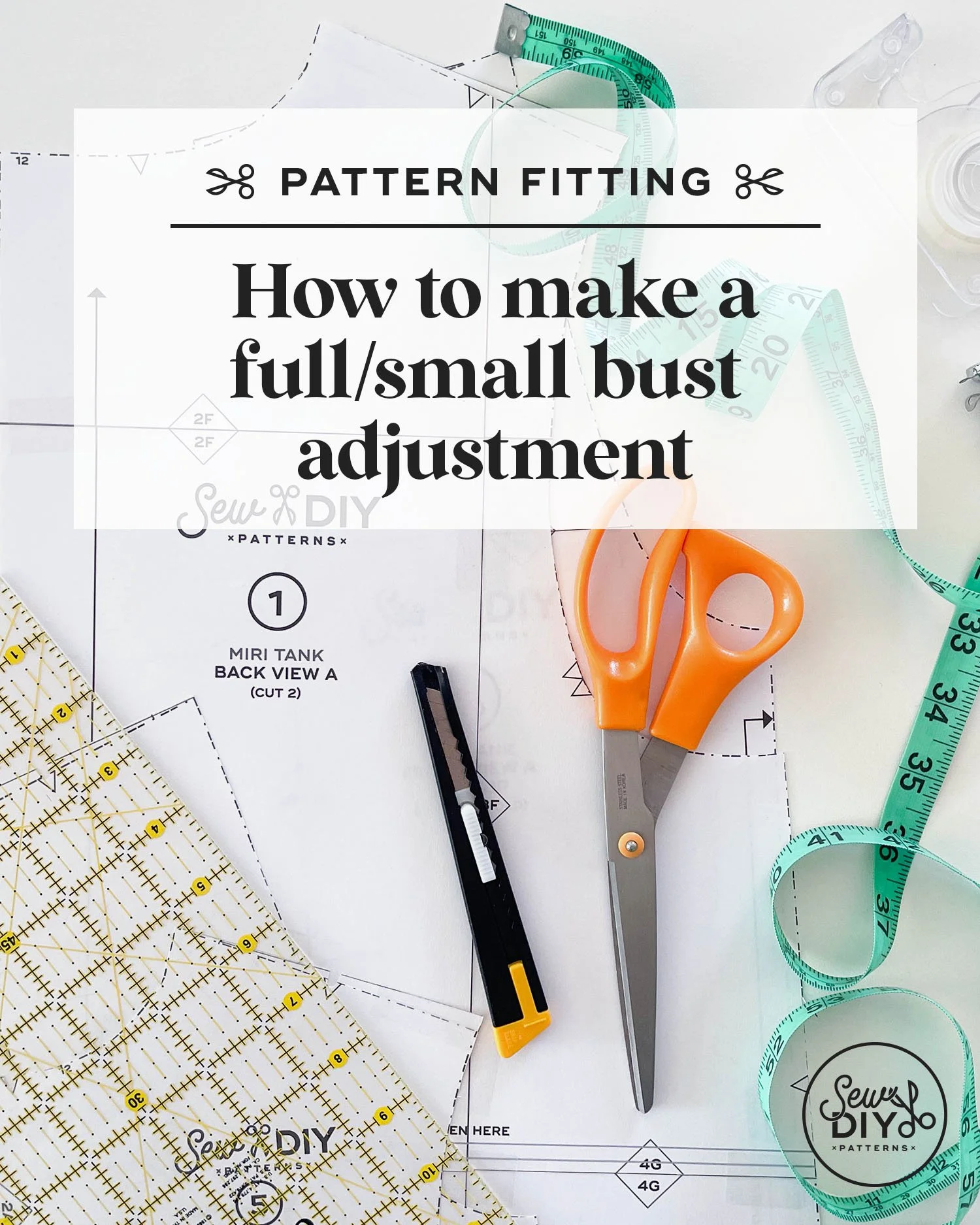
Today’s post is a deep dive into how to make bust adjustment to a pattern with a side dart. The objective of the bust adjustment is to make the dart bigger or smaller so that the shaping fits your body better. I share details on what a full or small bust adjustment is, what you might want to make one and how to do it. I show how to calculate a bust adjustment and how to make the adjustment to your pattern. I’ve included illustrations, written instructions and videos for how to do a full bust adjustment and a small bust adjustment.
How to sew a recessed zipper — Bucket Tote Hack
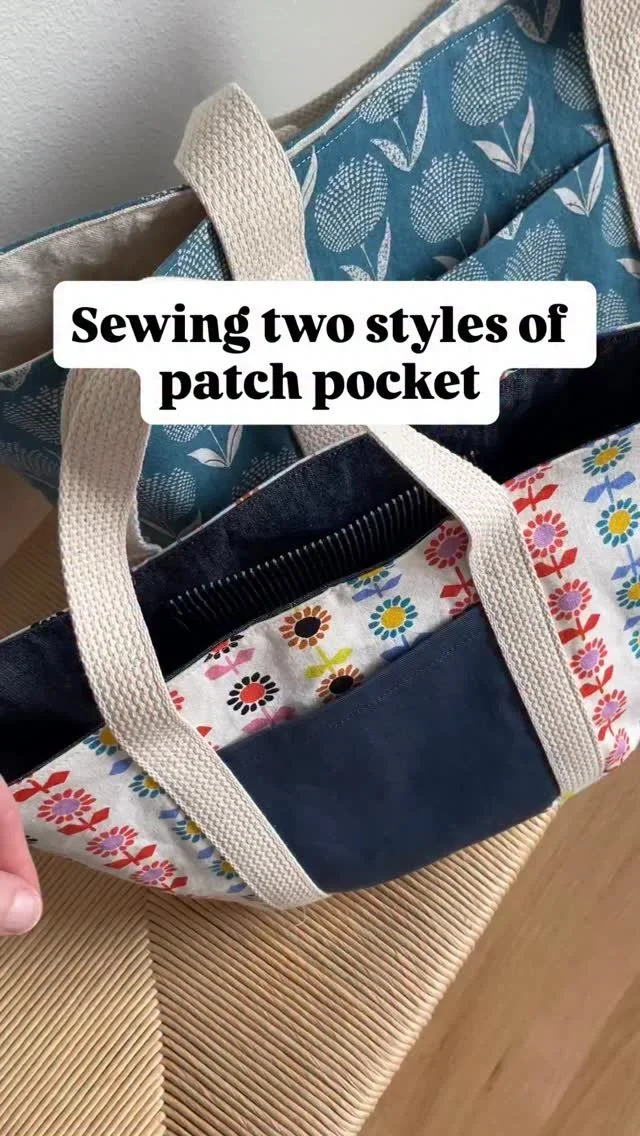
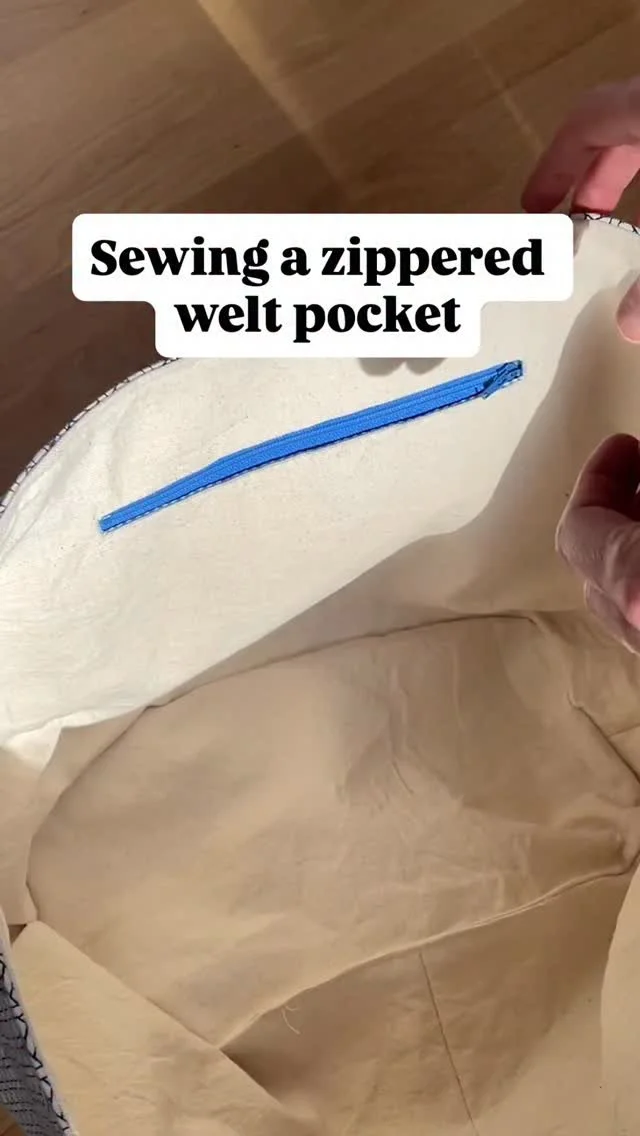
Today, I'm excited to share a hack for my Bucket Tote sewing pattern. This variation of the pattern adds a recessed zipper to the lining and an adjustable strap. To make the recessed zipper, the lining is lowered inside the bag and a zipper with fabric extensions is sewn into the lining. The extensions on either side of the zipper allow the bag more depth when closed, meaning you can put more stuff in your bag. When the zipper is closed, the lining is nearly invisible. Below, you'll find a step-by-step video tutorial, a list of supplies and fabric dimensions.
Sewing the Bottom and Lining — Bucket Tote Sewalong Part 5
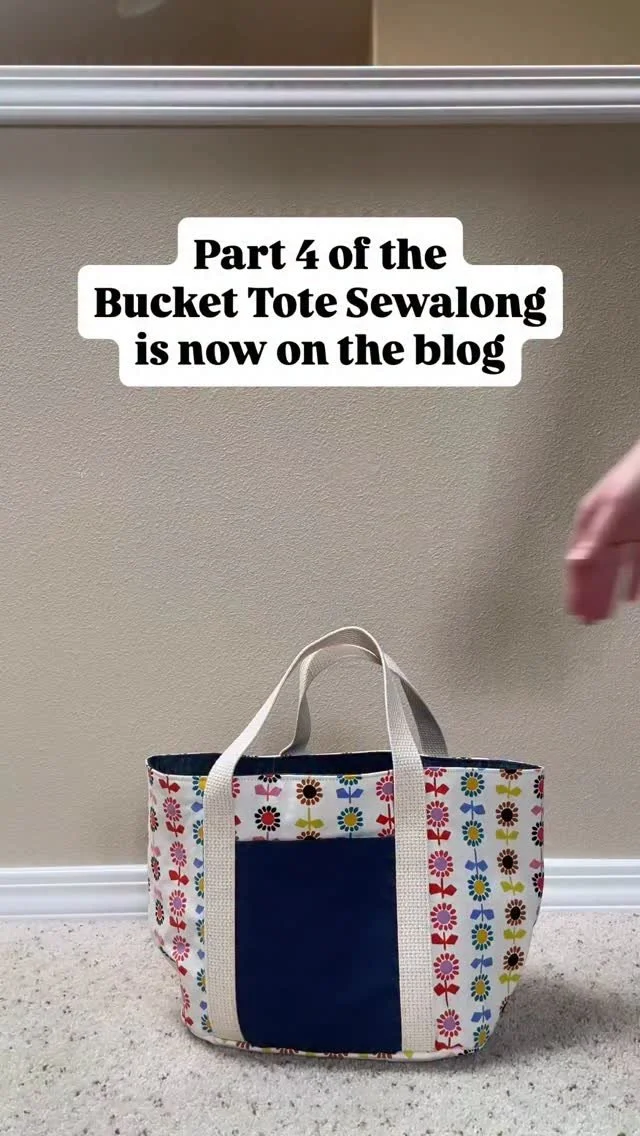
Today is the fifth and final installment of the Bucket Tote Sewalong. In this video, I’ll show how to sew the rounded bottom of the bag to the body and share two different methods for attaching the lining to the exterior. Sewing the rounded corners of the bottom of the bag can be one of the trickiest steps when sewing this pattern, so I make sure to include all of my techniques for sewing the curves with ease.
For sewing the lining of the bag to the exterior, I first demonstrate the method that I use in the instruction booklet which uses a hole in the lining to turn the bag right side out. During the testing of this bag, a couple of testers used a “drop-in” method where they topstitched the lining and exterior together in one step. This is not my personal preferred method BUT it is easier if you are using especially thick layers of fabric. Both methods are included in the video and you can use the time stamps to skip ahead to the section you’re interested in.