jodi wide leg pants sewalong
Welcome to the Jodi Wide Leg Pants sewalong. This page is a collection of tutorials and blog posts to help you sew the Jodi pattern. Some posts are from other sewalongs that have similar features and are also applicable to this pattern. Scroll down for blog posts with tips and tutorials for sewing with knit fabric.
If you haven't purchased the pattern yet, head over to the shop to download.

Welcome to the fourth part of the Jodi Knit pants sewalong. In today's video post, I’ll show you the first half of sewing the pants. Fist, I’ll share the stitches I used and why I chose them. Then, I show how to sew the angled pockets. And finally, how to sew the front and back pant legs together. Let’s get started!

Welcome to the third installment of the Jodi Knit pants sewalong. In today's post, we'll talk about measuring yourself and selecting a size. Then I’ll go over some details of the pattern pieces and some common pattern adjustments. Let’s get started!

Welcome to the second installment of the Sew DIY Jodi Sewalong. Today, we’re going to be talking about fabric, notions, tools and supplies. We’ll share our favorite fabrics to use with this pattern, the fabrics we used in the samples and a few of our favorite online fabrics picks. Plus, we’ll talk about the notions needed to sew the Jodi Pants and the tools and supplies we recommend having on hand to make sewing the Jodi pattern easier.

Today is the first installment of the Jodi Knit Pants sewalong and to get us in the mood to sew this pattern, I decided to start off with some style inspiration. These pants are the perfect mix of style and comfort. These ankle length pants feature angled side seam pockets, a medium rise and a lightly gathered elastic waistband. These pants are easy to sew, comfortable to wear and have a stylish wide leg.

Today, I'm very excited to announce the launch of a new sewing pattern, the Jodi Knit Pants. I've been working on this pattern for quite a while now and I'm so happy to finally share it with all of you. Ever since the pandemic, I have really committed to wearing soft pants when I'm at home. But I was looking for something more stylish than a jogger and more modern than leggings. Basically, I wanted all the comfort of athleisure but a more elevated style. Thus, the Jodi Pants were born with a mid-rise, skim fit and wide legs.
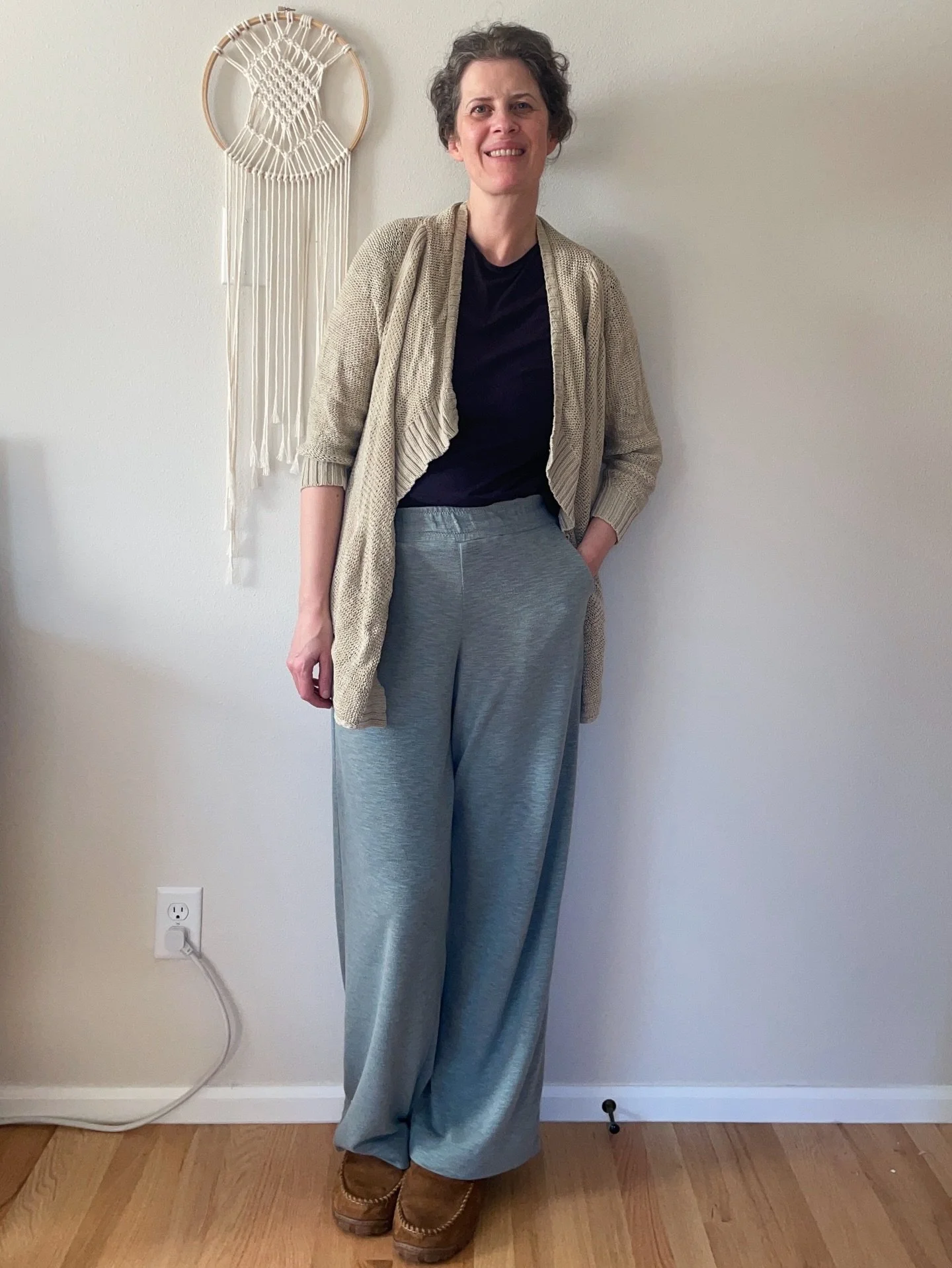
The Jodi Pants are my 14th pattern woohoo! and I think they are a great addition to the collection. I have patterns for shorts and a jumpsuit but this is actually my first pants pattern! It was definitely time. In the photos, I'm wearing the Jodi pants with my Lou Box Top and Ali Sweatshirt and I really think they make such nice outfits.

In today's video, I'm going to be showing you how to understitch. Understitching is a technique that is most often used when sewing woven fabric garments but occasionally with knit fabrics as well. It's mostly used when you are sewing a facing, a lining or an in-seam pocket. The purpose of understitching is to keep those parts of the garments hidden and out of view.

Hello sew-friends! Today, I’m kicking off a mini series of videos on pattern adjustments. It is very common to need or want to make a few pattern adjustments when sewing your own clothing. One of the most common adjustments (especially if you’re a tall sewist like I am) is to alter the length. Today, we’ll be starting with pants patterns.

Hello sew-friends! In today’s YouTube video, I’m talking about fabric stretch percentage. If you've ever sewn a pair of leggings or a swimsuit, then you know how important stretch can be in your handmade garments. Read on and watch the video to learn all about fabric stretch, why it’s important, a bit about fabric stretch terminology and, most importantly, how to calculate fabric stretch percentage.

I used to be really scared to sew knit fabrics but after a lot of research and a lot of practice, I love sewing with knits. One misconception is that you need to have a serger (aka overlocker) to sew knit fabrics when in fact most conventional machines come with a variety of stitches that are made for sewing knit fabric. In this video, I share the tools you need to sew knit fabric, some tips for preventing your fabric from stretching and demonstrate the stitches available on a conventional sewing machine that can be used to sew knit fabric.

One reason people often recommend starting off sewing a skirt rather than pants is that skirts are usually much easier to fit than pants. That crotch curve can create all sorts of fitting dilemmas and one of the easiest to solve is the rise, also called the crotch depth or crotch length. In today’s video tutorial, I’ll show you how to shorten and lengthen the crotch depth evenly across the front and back. And as a bonus, I’ll show you how to adjust only the back rise. This is a really simple pattern adjustment to make and very useful if you are petite or tall (like me!)

Today’s video is a big one! I share my top reasons why pdf patterns are awesome (just in case you’re not already convinced). Then I share my top tips for how to successfully print pdf patterns (including the printer settings you need to make sure the entire pattern prints on the page). And finally I show how to efficiently assemble and cut the pattern. I even show you the techniques I learned in design school for safely using an exacto knife or blade. I’ve never cut off a finger using these techniques so hopefully it will help you and keep your fingers safe too!

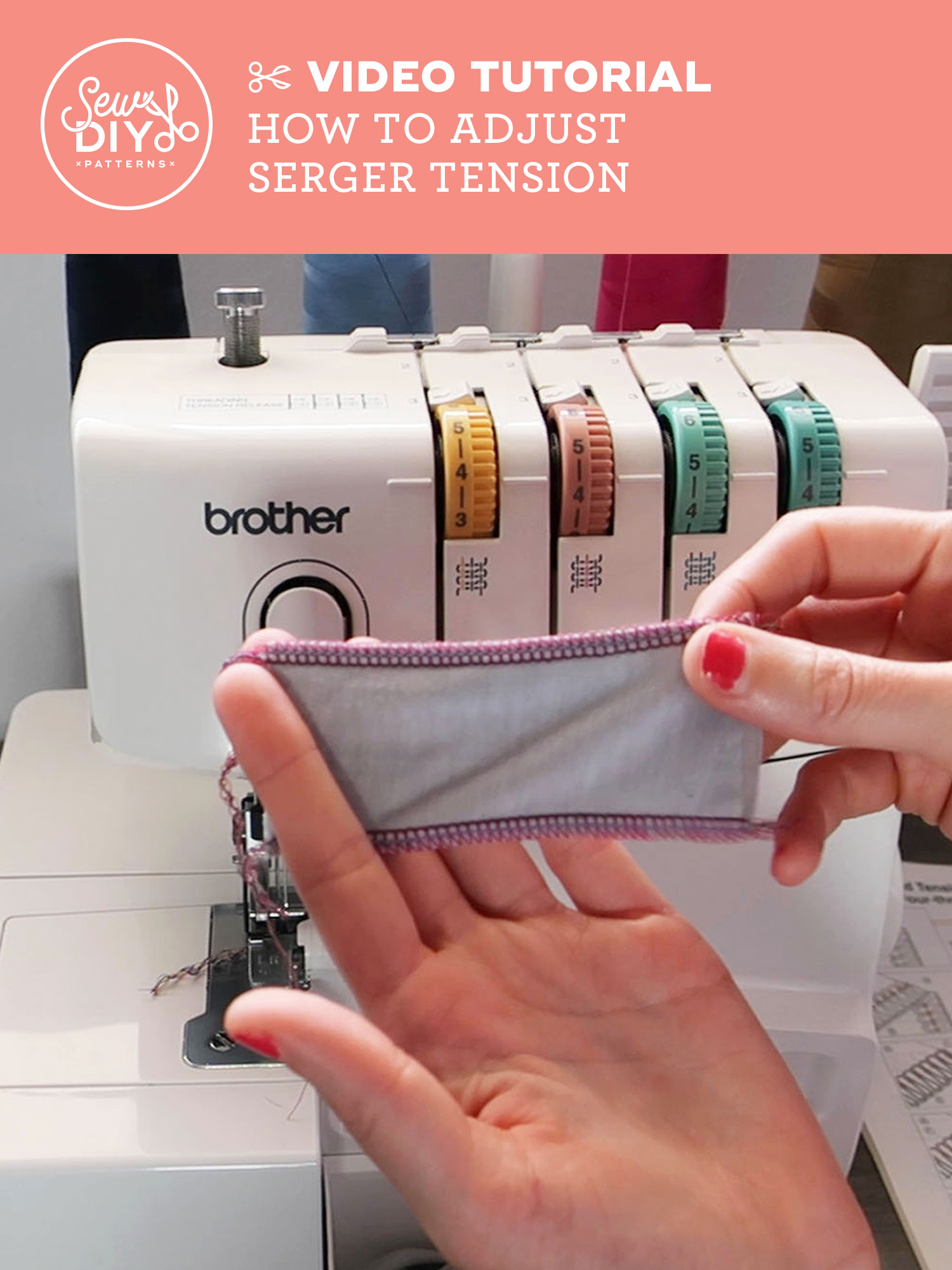

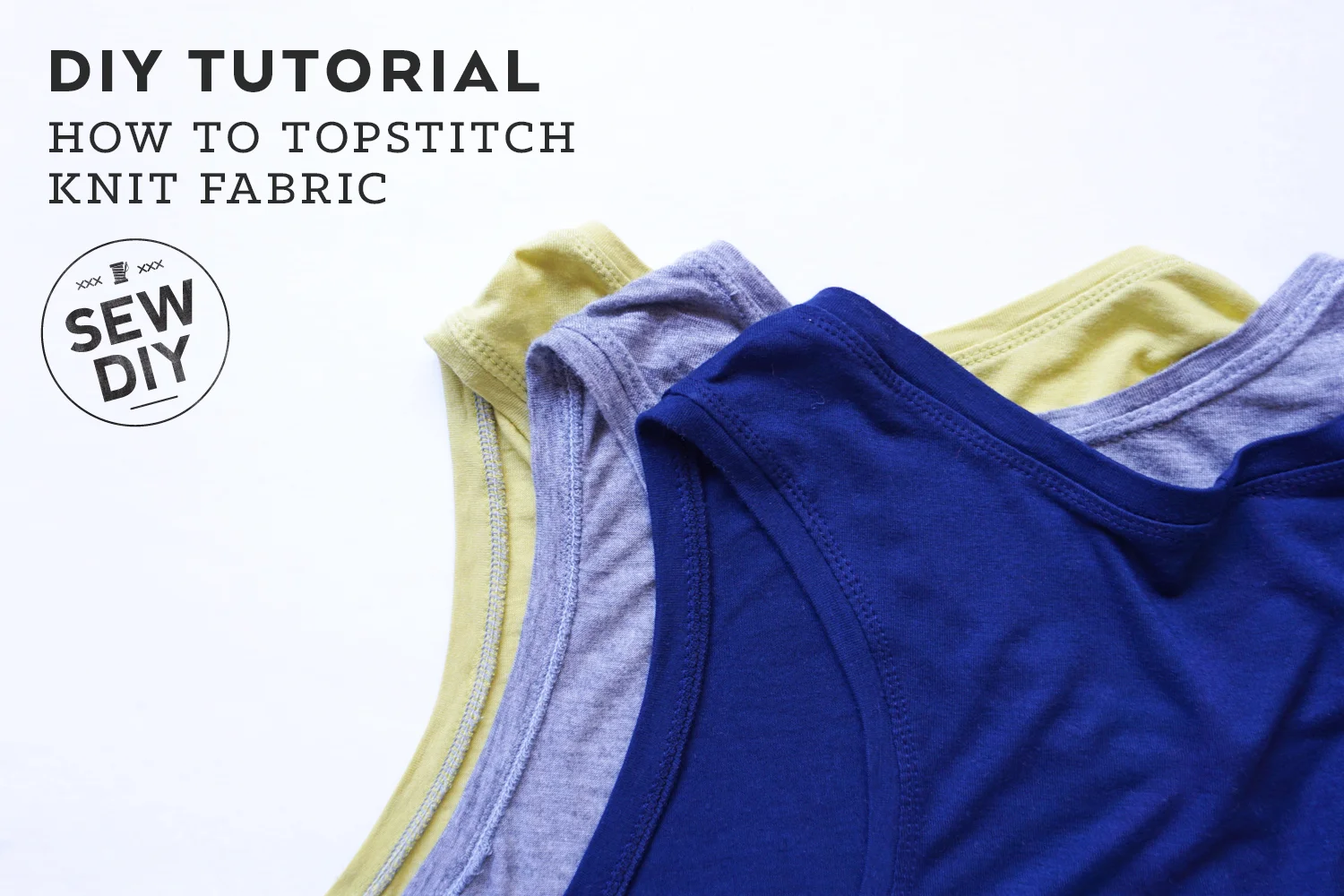
Knit fabrics are great to wear and fun to sew with but they can be a little tricky to handle. I was intimidated by them for a long time but with a lot of practice and a few tricks I picked up along the way, I’ve been able to conquer those stretchy beasts. Today, I’m going to share my favorite method for topstitching knit fabrics plus some tips and insight on why knits can be so bothersome. And don't worry, you don't need a fancy machine, this can all be done on a conventional sewing machine.
Tutorials for sewing with knit fabric

Today, I'm excited to share a new video tutorial for how to sew underwear using fold over elastic. I've sewn lots of underwear and it's a little tricky the first few times. So, I'll be sharing all of my tips and tricks to make sewing your own pair easier. With these tips and a bit of practice, you'll soon be sewing fold over elastic with confidence.
Hello sew-friends! In today’s YouTube video, I’m talking about fabric stretch percentage. If you've ever sewn a pair of leggings or a swimsuit, then you know how important stretch can be in your handmade garments. Read on and watch the video to learn all about fabric stretch, why it’s important, a bit about fabric stretch terminology and, most importantly, how to calculate fabric stretch percentage.
I used to be really scared to sew knit fabrics but after a lot of research and a lot of practice, I love sewing with knits. One misconception is that you need to have a serger (aka overlocker) to sew knit fabrics when in fact most conventional machines come with a variety of stitches that are made for sewing knit fabric. In this video, I share the tools you need to sew knit fabric, some tips for preventing your fabric from stretching and demonstrate the stitches available on a conventional sewing machine that can be used to sew knit fabric.

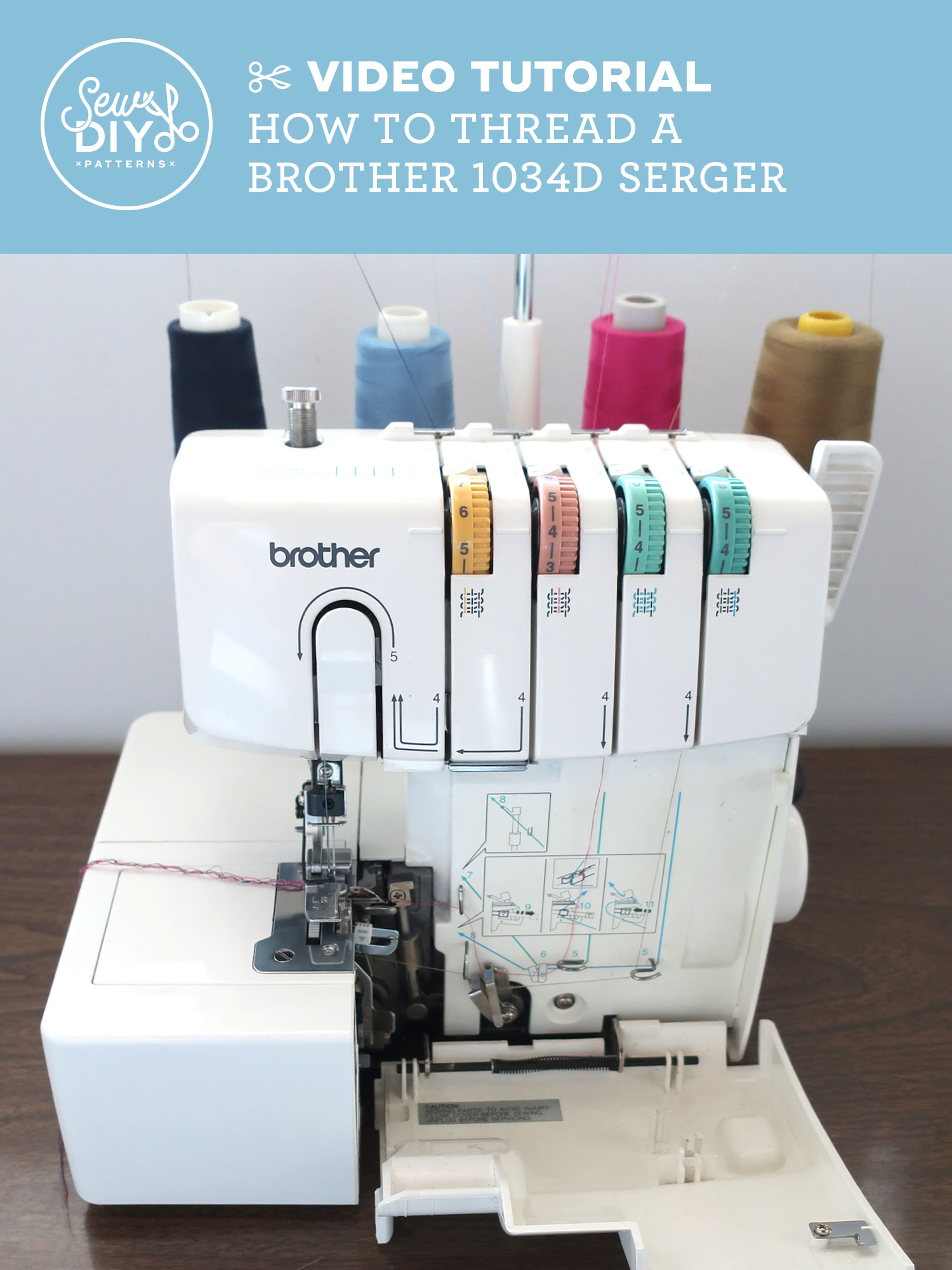
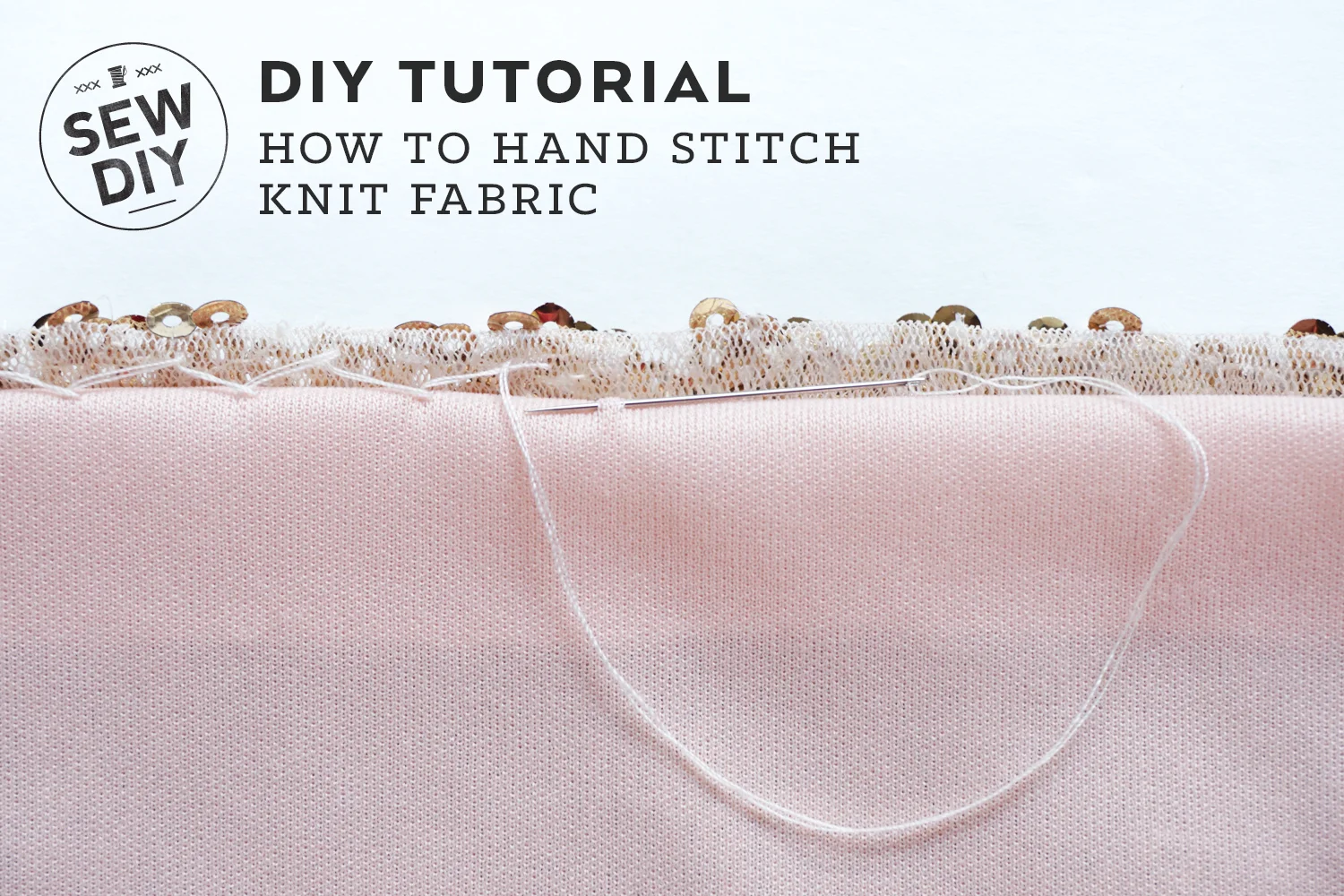
Knit fabrics are great to wear and fun to sew with but they can be a little tricky to handle. I was intimidated by them for a long time but with a lot of practice and a few tricks I picked up along the way, I’ve been able to conquer those stretchy beasts. Today, I’m going to share my favorite method for topstitching knit fabrics plus some tips and insight on why knits can be so bothersome. And don't worry, you don't need a fancy machine, this can all be done on a conventional sewing machine.
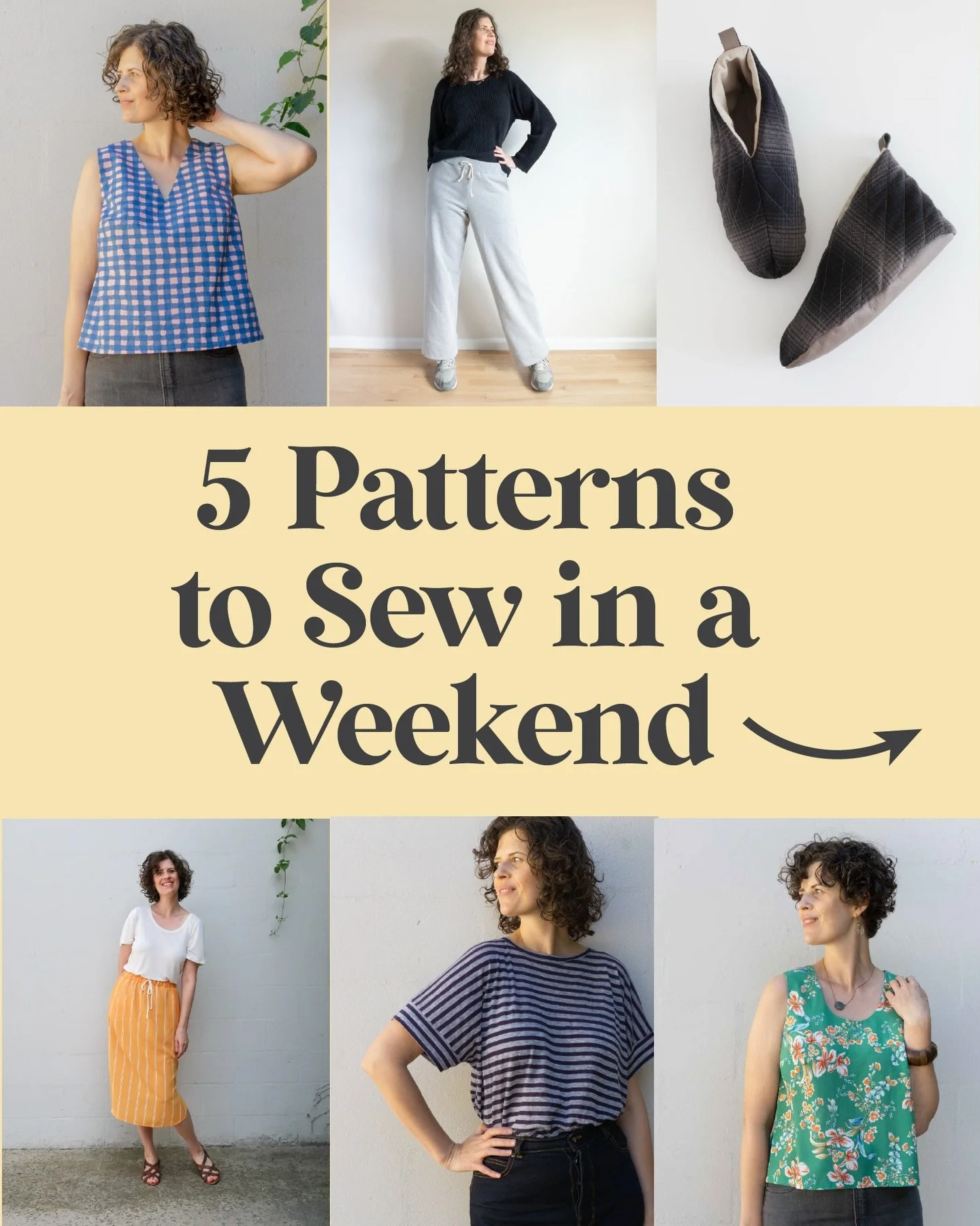
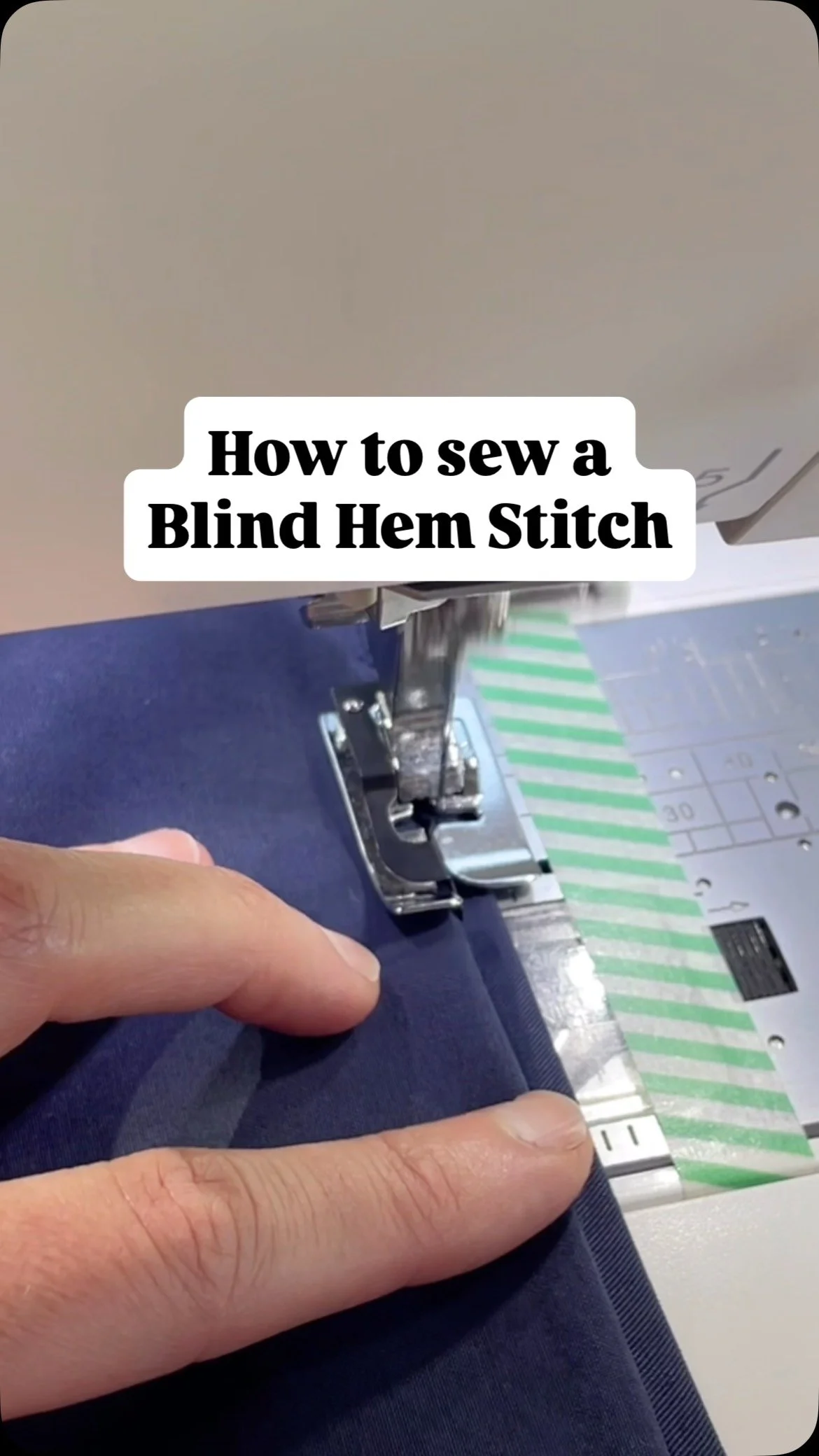
Welcome to the fifth and final installment of the Jodi Knit pants sewalong. In today's video post, I’ll show you the second half of sewing the pants. First, I’ll share the tools and supplies that I use for these steps. Then, I show how to sew the buttonholes for the drawstring, how to assemble the waistband and attach it to the pants, how to insert the elastic and finally how to hem the pant legs. Let’s get started!