Sewing your first button down can be a little bit scary. There are so many steps and so many visible details. But if you break it down step by step it can actually be fun. Last week I shared some of my favorite tips over on the We All Sew blog that will help you sew a professional looking button down shirt or dress.
I talk about the presser feet I use for topstitching, buttons and buttonholes. Plus I detail how to sew a buttonhole on the BERNINA 350PE. Head over to We All Sew to check it out.
P.S. Are there any other sewing techniques you'd like to learn more about? Let me know in the comments.

This year for Me Made May my pledge was to sew for 25 minutes a day. I talked more about this in this blog post but in short, I wanted to sew more. I moved to Seattle almost two years ago and I’ve been spending a lot more time working on my house and garden. Sewing fell to the wayside, despite having a much bigger sewing space. So instead of the usual outfit challenge, I decided to intentionally devote more time to the practice of sewing.
I started off tracking daily but didn't track for more than a few days—mostly because I felt like tracking wasn't necessary and it was less fun than the actual sewing. Once I got started sewing again, my momentum, focus and energy developed quickly. Honestly, within a day or two, I was back in to the swing of things. Today, I'm sharing a few tips and insights into my sewing reboot.

Today, I'm excited to share a new video tutorial for how to sew underwear using fold over elastic. I've sewn lots of underwear and it's a little tricky the first few times. So, I'll be sharing all of my tips and tricks to make sewing your own pair easier. With these tips and a bit of practice, you'll soon be sewing fold over elastic with confidence.
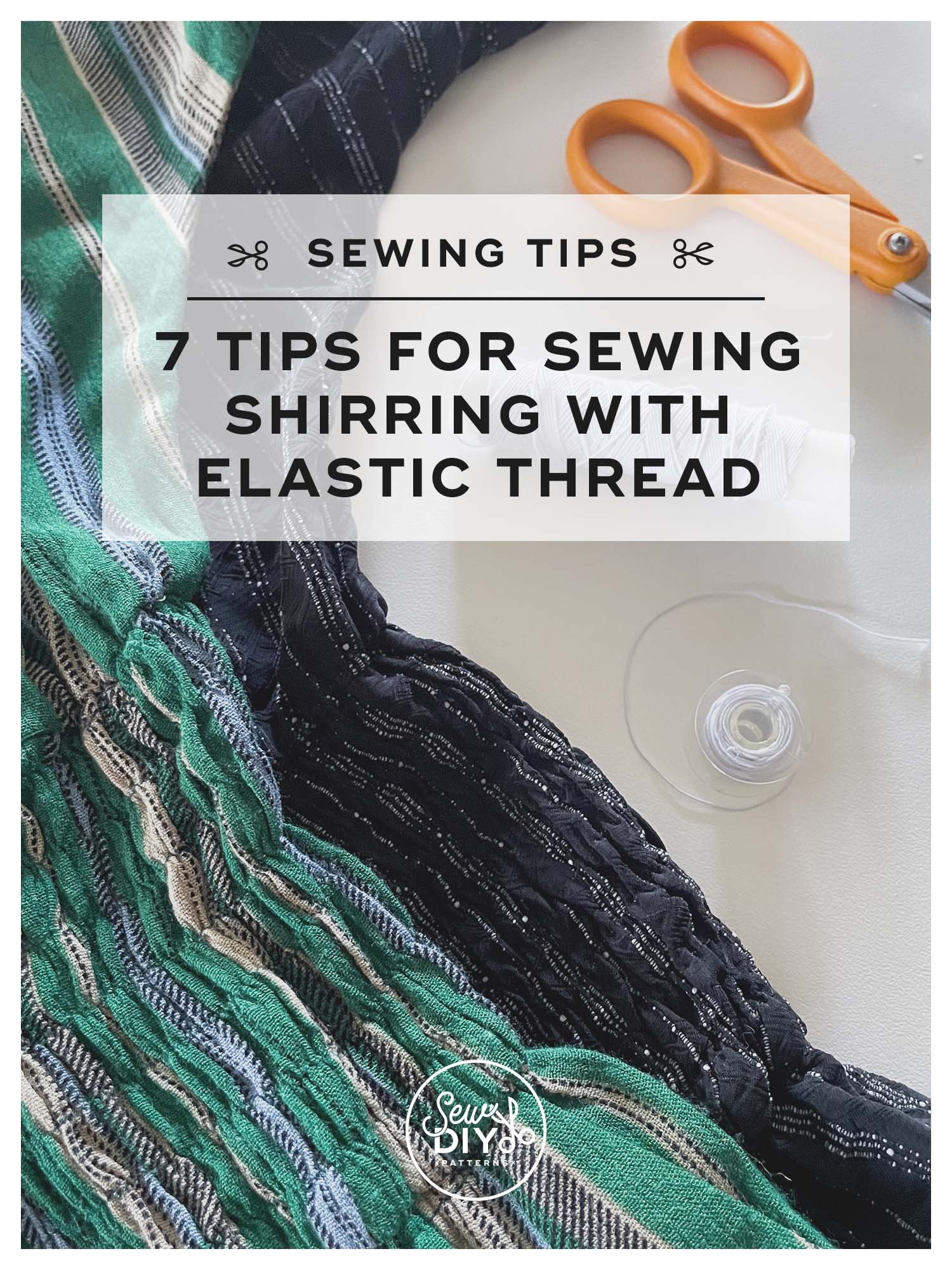
Hello sew-friends! Today, I'm sharing my top eight tips for sewing shirring with elastic thread. Shirring creates a stretchy gathered fabric that fits closely to the body. It's often used in the torso, bust, back, waist, neckline and wrist areas of a pattern. There are lots of possibilities! You can actually buy fabric that is already shirred along one selvage but when you learn how to sew your own, you'll have a lot more design opportunities. Shirring has a big design impact and is a great way to create a fitted garment that's also really comfy.

Hello sew-friends! In today's post, we're diving deep on the subject color blocking in sewing. Color blocking is a fun and easy way to add contrast and personality to a garment or other sewn item. It's also a great way to enhance existing style lines or add new style lines to a garment. Color blocking is easy enough for beginners to tackle and a great way to use up smaller cuts of fabric. In this post, I'll explain what color blocking is, why you might want to do it and a few methods for color blocking your handmade garments and other sewing projects.

Hello sew-friends! Today's video is taking a deep dive into marking tools for fabric. After you cut out your fabric, the first thing you need to do is transfer all the pattern markings from the pattern to the fabric. Trust me, you don't want to skip it! In this post, I'll chat briefly about pattern markings and why they're important. Then, I'll share a variety of tools that can transfer marks to fabric and the pros and cons of each. Plus, I'll demonstrate how to mark a dart using a tracing wheel and transfer paper and how to mark a dart using a hole punch and chalk. Let's get started!
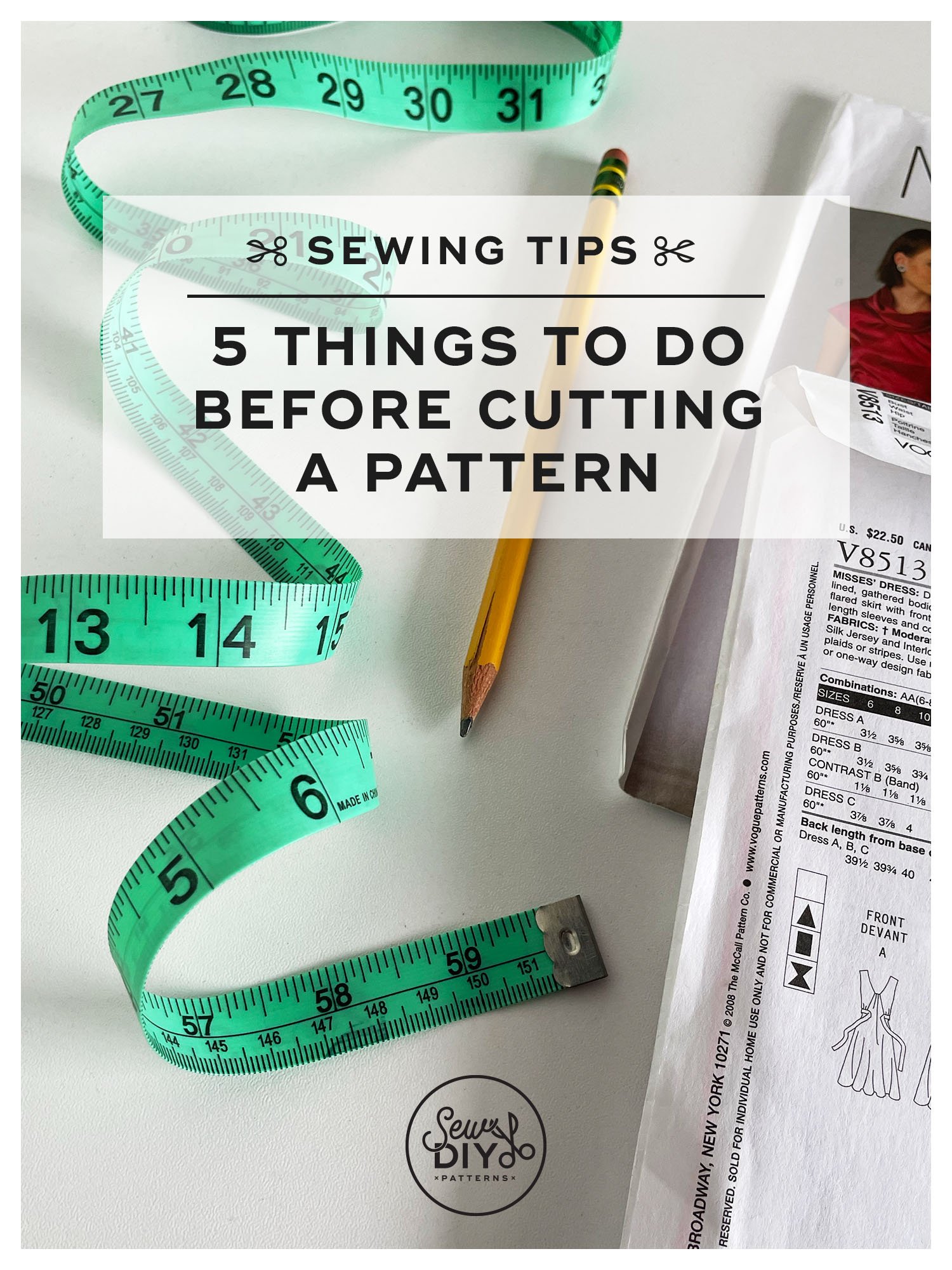
Hello sew-friends! We're going back to basics today to talk about patterns. There's nothing more frustrating than making a garment and finding that it doesn't fit. The most common answer is to make a muslin first, but today I'm going to share the five things that you should do before you make a muslin and even before you cut or trace out your pattern. These are my tried and true tips that will help you get closer to making a first muslin that is the right size for your body as well as for your style and fit preferences.

I’m always looking for ways to improve my topstitching because I feel like really accurate topstitching makes a garment look so much more professional. So, to help myself dial in my topstitching, I decided to get a special sewing machine foot called an edge stitch foot.
This is a special sewing machine foot accessory that (usually) does not come with the machine and it was not cheap. I’m not sure what I originally paid but it’s now running about $32 USD. I honestly don’t know if the machine foot is worth the cost. Time will tell on that. But, I will definitely be using it for the next button down shirt that I sew.
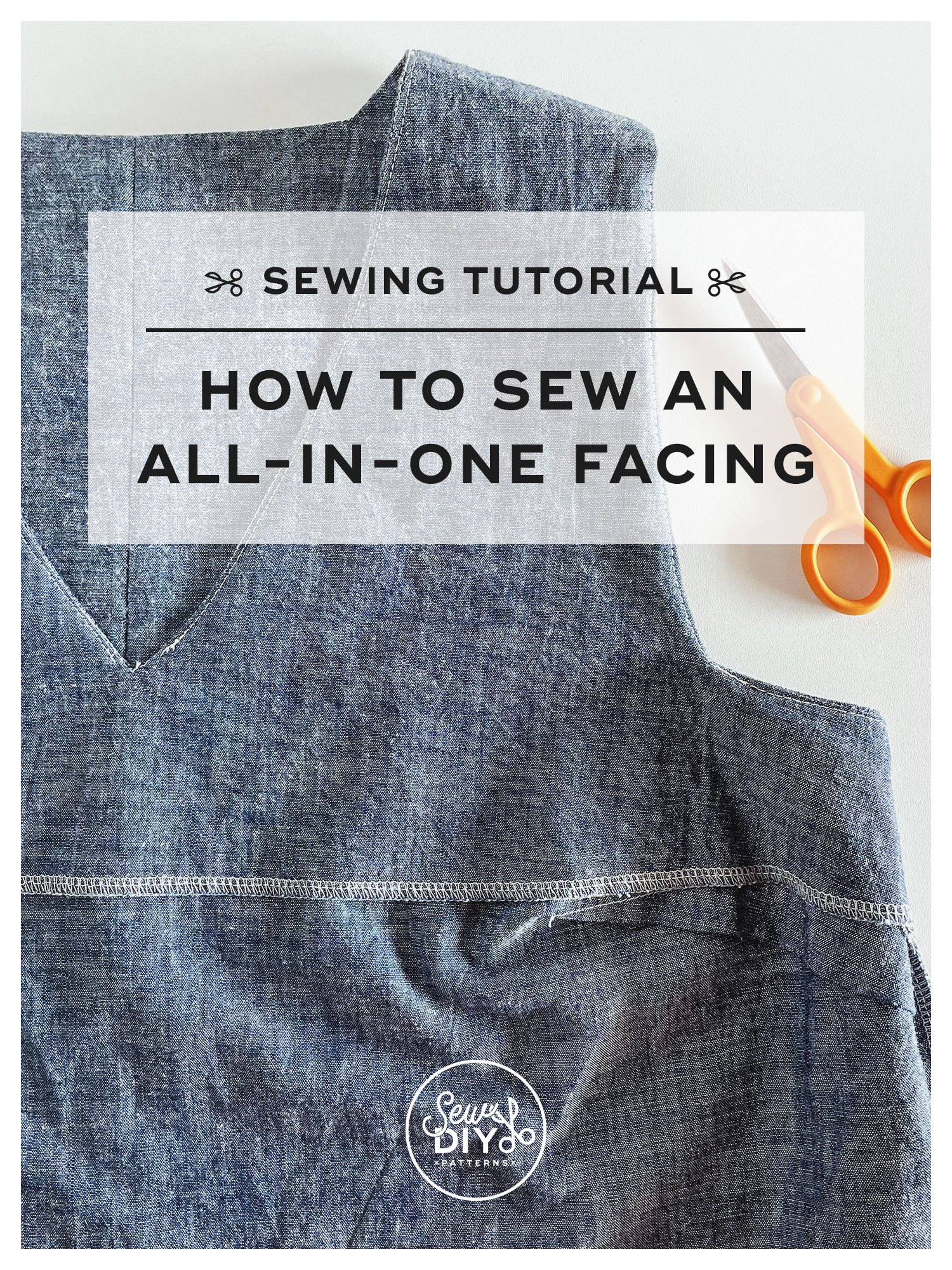
In this video, I'll be sharing the step-by-step process of sewing an all-in-one facing to a tank top. An all-in-one facing is a facing piece that is used to finish both the neckline and the armhole with one piece of fabric, as opposed to a separate facing for the armhole and a separate facing for the neckline. This method of finishing the neckline and armholes of a top or dress, creates a very clean finish and when you take it one step at a time, it's really fairly easy as well. (This method is also known as the burrito method, because we will roll the top when sewing the facing to the armholes.)
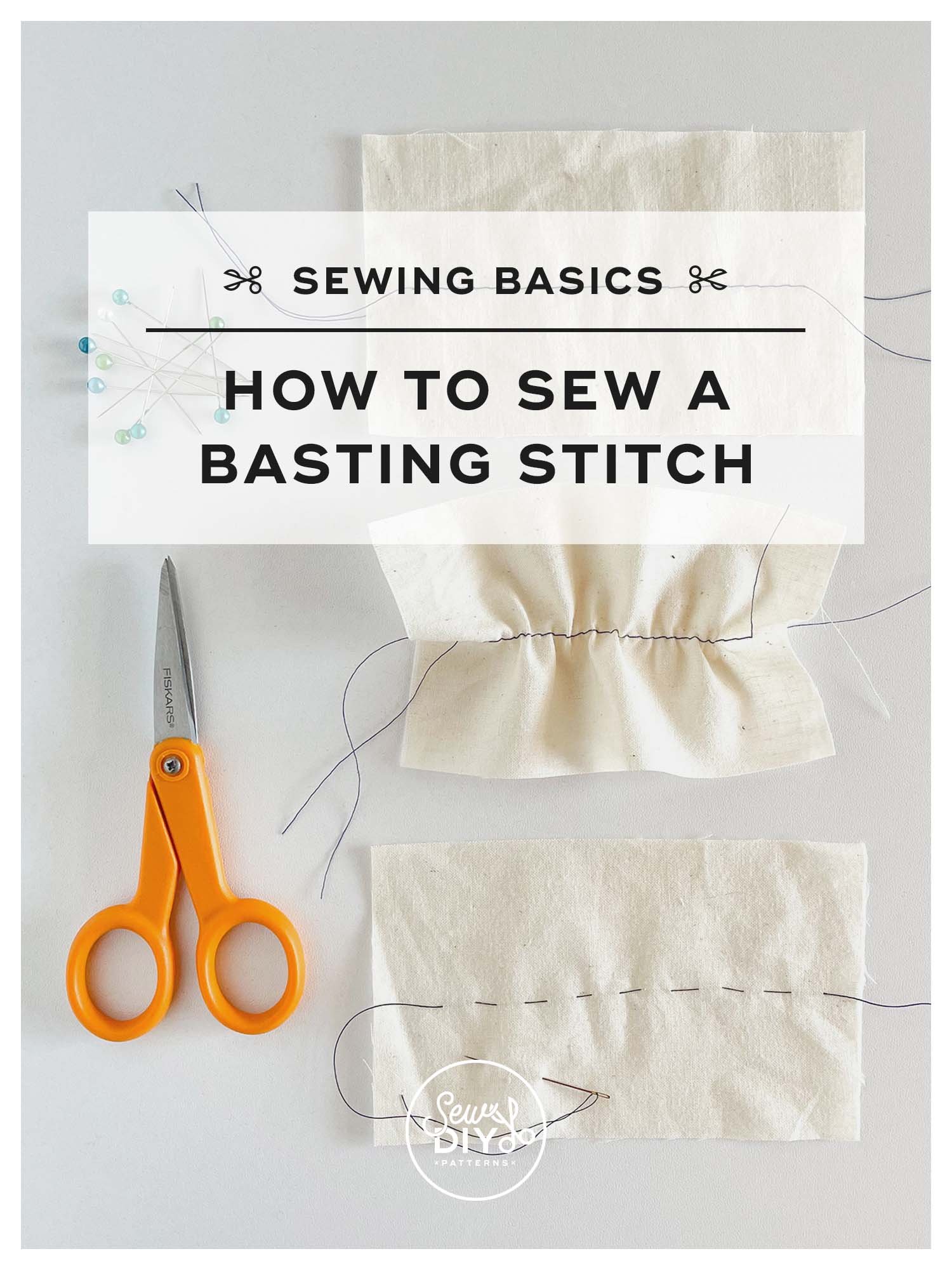
If you've sewn a garment before, you may have encountered a basting stitch. And, if you keep sewing, you'll be sure to use it with most projects. Basting is a fundamental sewing technique because it's so useful. Even better, it's a very easy stitch to sew. In this post and video, I'll talk about what a basting stitch is, when to use it and demonstrate sewing a basting stitch by hand and by machine.

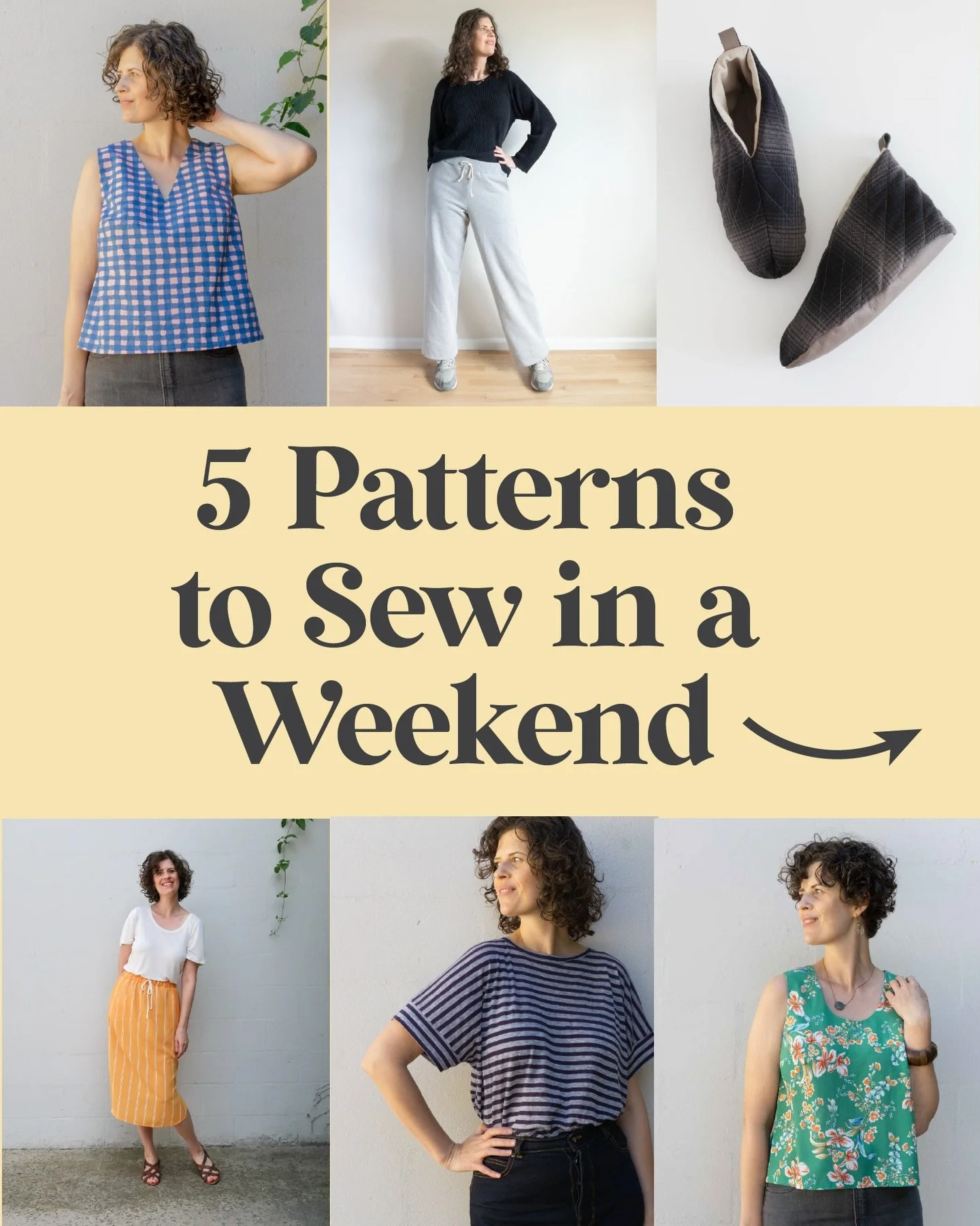
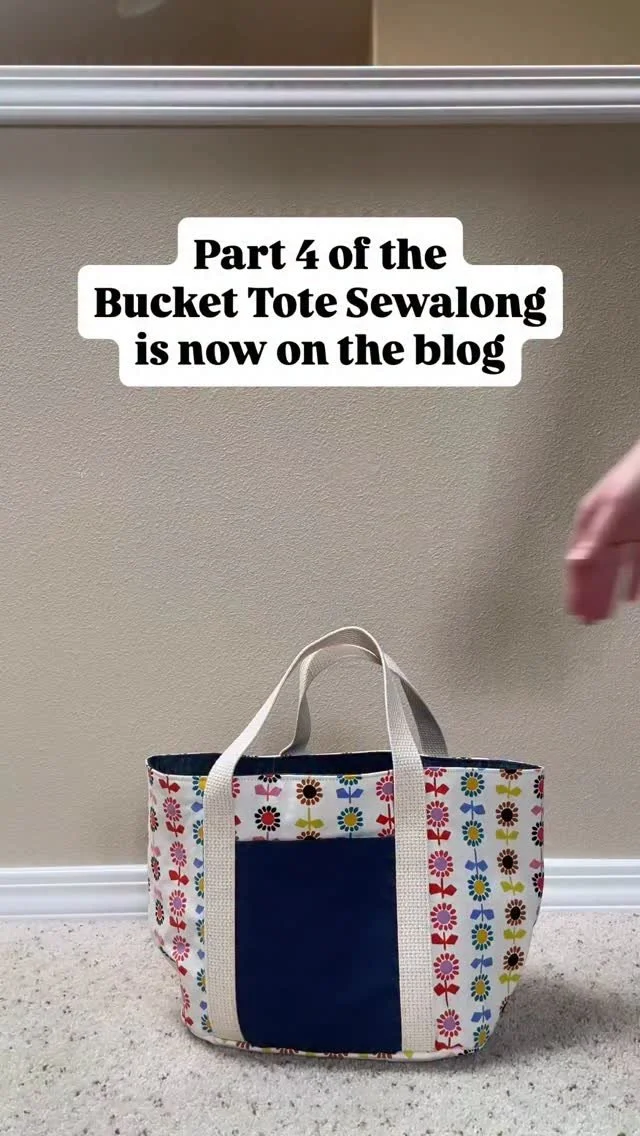
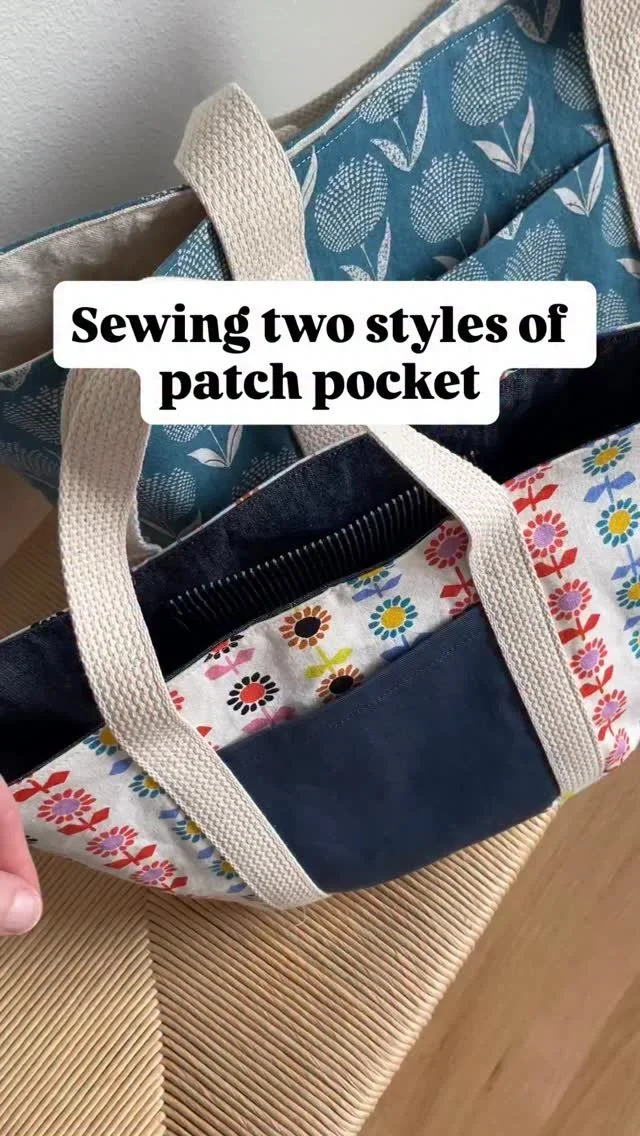
Nice looking patch pockets are all about precision. That starts with cutting and continues to placement and stitching. Over the years, I've gathered a few tricks and tips to help you sew patch pockets with ease. If you're just getting started with sewing, I recommend using a stable woven cotton fabric for your first project because it's less likely to warp and will press nicely. With a sturdy fabric, you won't need too many tricks but the more drapey the fabric is, the more likely it is that you'll want to reach for a special tool or trick.